

Bad Alternator vs. Dead Battery: How to Tell the Difference
We’re an auto repair shop serving Northern Virginia, and electrical trouble almost always traces back to two parts: the battery and the alternator. The maddening thing is that they cause nearly identical symptoms — dim lights, a no-start, a warning light — so drivers replace the wrong one and end up stranded again a week later. A proper test tells us whether you actually need an alternator replacement or a new battery, and we handle either one right at your location.
Here’s how to tell them apart, because the fix for one won’t solve the other.
How the Battery and Alternator Work Together
The battery has one main job: deliver the big jolt of power that starts your engine. Once the engine is running, the alternator takes over — it powers all your electronics and recharges the battery at the same time. They’re a tag team, and that’s the root of the confusion.
When a failing alternator stops charging, the battery is the part that goes dead, even though the alternator is the real culprit. Replace just the battery and the bad alternator kills the new one within days. That cycle is behind a large share of the alternator replacement jobs we perform across Northern Virginia.
Signs of a Dead Battery
A weak or dead battery typically fails at startup, while the car is parked:
- Slow engine crank — it groans and turns over lazily
- Rapid clicking when you turn the key — not enough power to engage the starter
- Dim headlights and interior lights when the engine is off or just starting
- The car starts fine on a jump and keeps running afterward
- Corroded battery terminals, or a battery that’s simply 3–5 years old
The tell: battery problems show up when you’re trying to start, and a jump-start fixes them. If that’s your situation, a car battery replacement is usually the answer.
Signs of a Bad Alternator
A failing alternator causes trouble while the engine is running:
- Dimming or flickering lights while you drive, especially headlights that brighten and dim with engine speed
- The battery warning light (the red battery icon, or “ALT”) glowing while driving — this is really a charging-system warning
- Electrical gremlins — windows crawling, the radio cutting out, the dash glitching
- A whining or growling noise from the front of the engine
- The car starts on a jump but dies the moment you remove the cables
- A brand-new battery that keeps dying — the alternator killed it
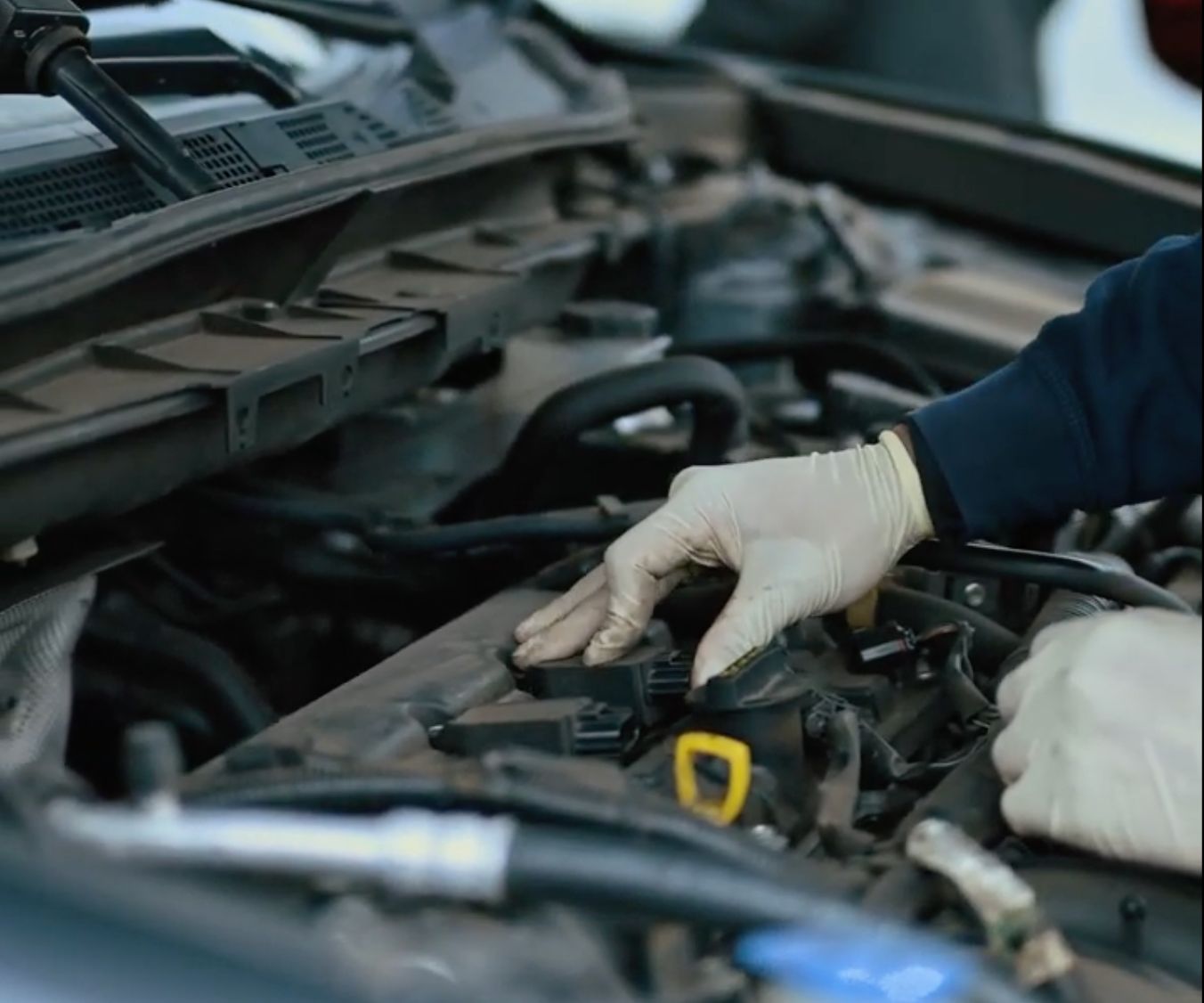
When the charging output tests low, an alternator replacement is the fix. If the car won’t start or crank at all, our no-start diagnosis tests the whole electrical system to find the real fault.
How an Alternator Is Tested and Replaced
A proper diagnosis uses a voltage test: a healthy charging system reads roughly 13.5 to 14.5 volts with the engine running. If it reads below that, the alternator isn’t keeping up, and an alternator replacement is warranted. We also test the battery itself and the starter draw, so we’re certain which part has actually failed before replacing anything.
Replacing the alternator involves removing the drive belt, unbolting the old unit, and installing the new one — on many vehicles a same-visit repair once the charging system is confirmed bad.
Why Replacing Just One Part Can Strand You Twice
Here’s what the parts-store counter often won’t tell you: these failures feed each other. A dying alternator undercharges and damages your battery. A weak battery strains the alternator. By the time symptoms have dragged on for months, both parts are frequently shot — and replacing only one sends you right back to a no-start.
That’s exactly why a proper charging-system test matters more than a guess. As an auto repair shop that comes to you, we test the battery, the alternator output, and the starter together at your location in Northern Virginia, so you replace what actually failed — not what’s convenient to sell.
Frequently Asked Questions
What are the signs of a failing alternator?
Dimming or flickering lights while driving, the battery warning light coming on, electrical accessories acting up, a whining noise, or the car dying shortly after a jump-start. A charging-system voltage test confirms whether you need an alternator replacement.
Can a bad alternator drain my battery?
Yes. The alternator recharges the battery while you drive, so a failing one lets the battery slowly run down until the car won’t start. This is why a “dead battery” that returns after replacement often turns out to be an alternator problem.
How long does an alternator replacement take?
On many vehicles it’s a same-visit repair once the charging system is tested and the alternator is confirmed bad. Access varies by engine, but most replacements are straightforward for a technician with the right tools.
How do I know if it's the battery or the alternator?
If the car starts on a jump and keeps running, it’s usually the battery. If it starts on a jump but dies when the cables come off, or the lights dim while driving, it’s usually the alternator. A voltage test settles it for certain.
How long does an alternator last?
Most alternators last around 100,000 to 150,000 miles, and they usually give weeks of warning signs — dimming lights, a warning light — before they quit entirely.
Electrical Trouble You Can't Pin Down?
We’re a Northern Virginia auto repair shop that comes to you. Our techs test and replace alternators at your home or office. Book a charging-system check today.
Keep Reading
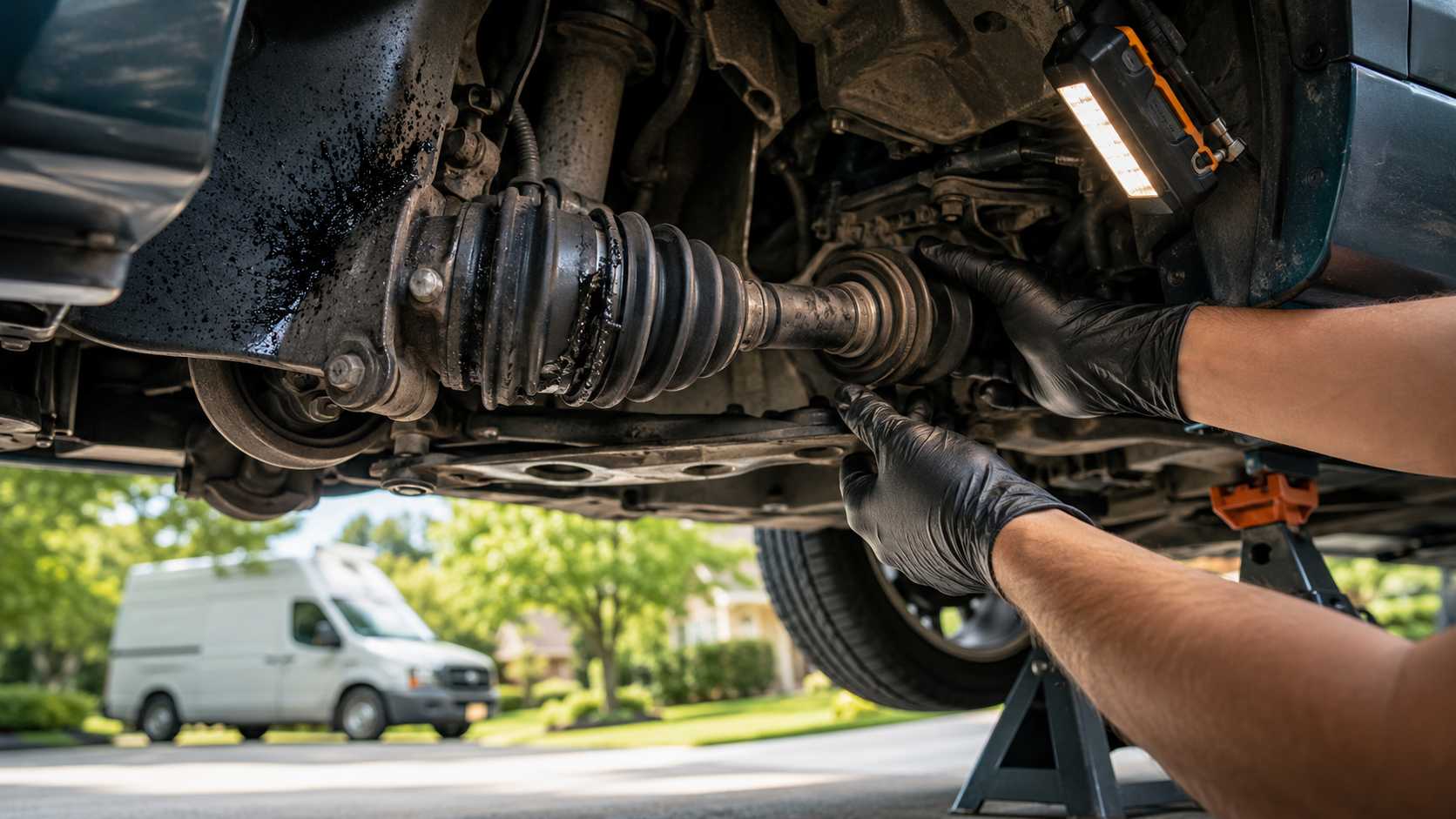
Car Vibrates When Accelerating: CV Axle or Something Else?
We're an auto repair shop serving Northern Virginia, and loose, vague steering is far more than an annoyance
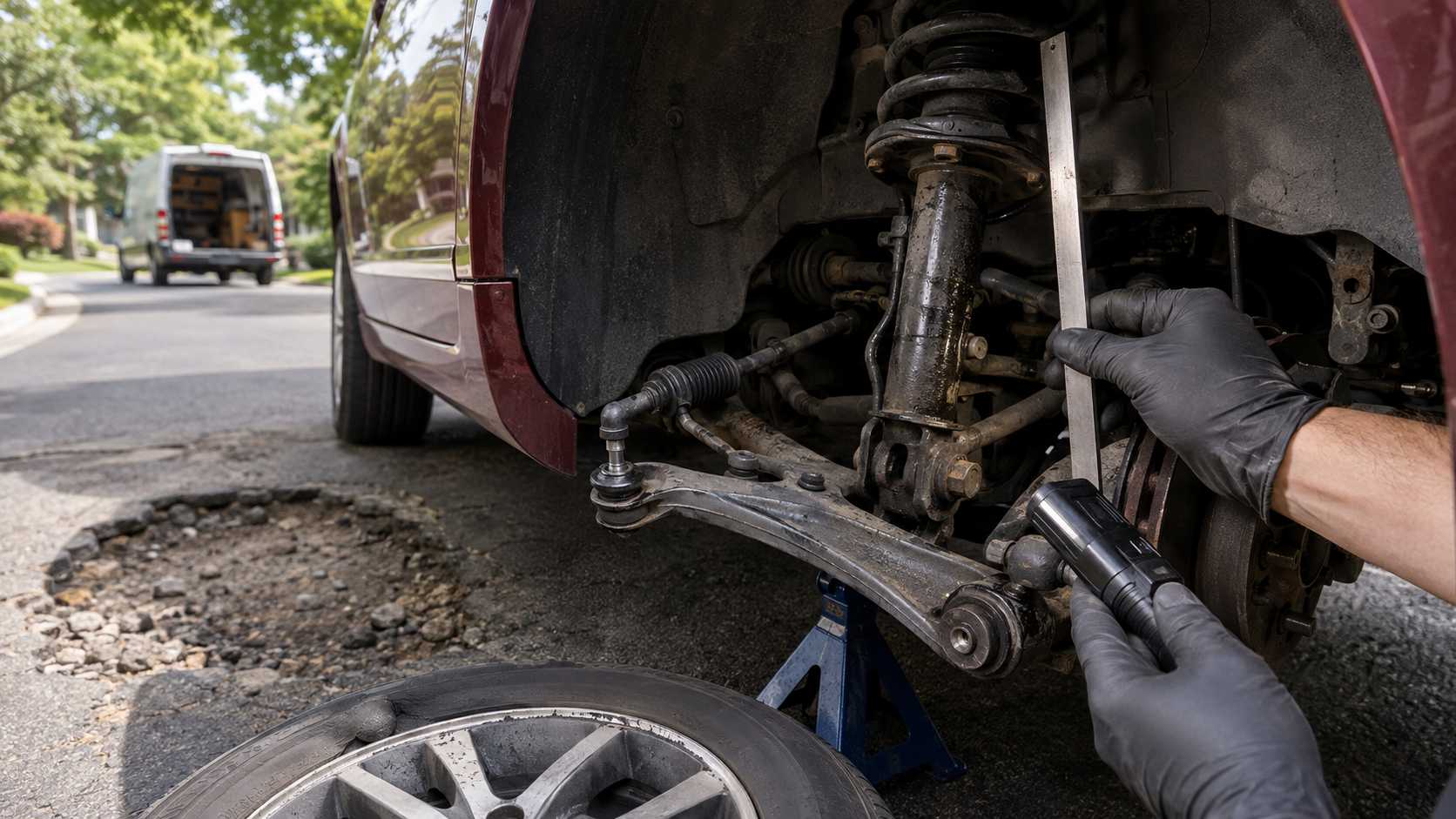
Pothole Suspension Damage: Signs Northern Virginia Drivers Should Check
We're an auto repair shop serving Northern Virginia, and loose, vague steering is far more than an annoyance

Why Do My Brakes Squeak Only in the Morning?
We're an auto repair shop serving Northern Virginia, and loose, vague steering is far more than an annoyance