

Worn Ball Joints, Control Arms, and Tie Rods: Symptoms and Repair
That clunk over every speed bump. The steering that feels a little loose, a little vague. Tires wearing in a strange pattern. These are your suspension and steering components telling you they’re worn — and unlike brakes that squeal, these parts can fail in ways that genuinely put you at risk.
Here’s how to tell a bad ball joint from a worn tie rod or a tired control arm, and why none of them should wait.
What These Parts Actually Do
They’re often confused, so let’s be clear:
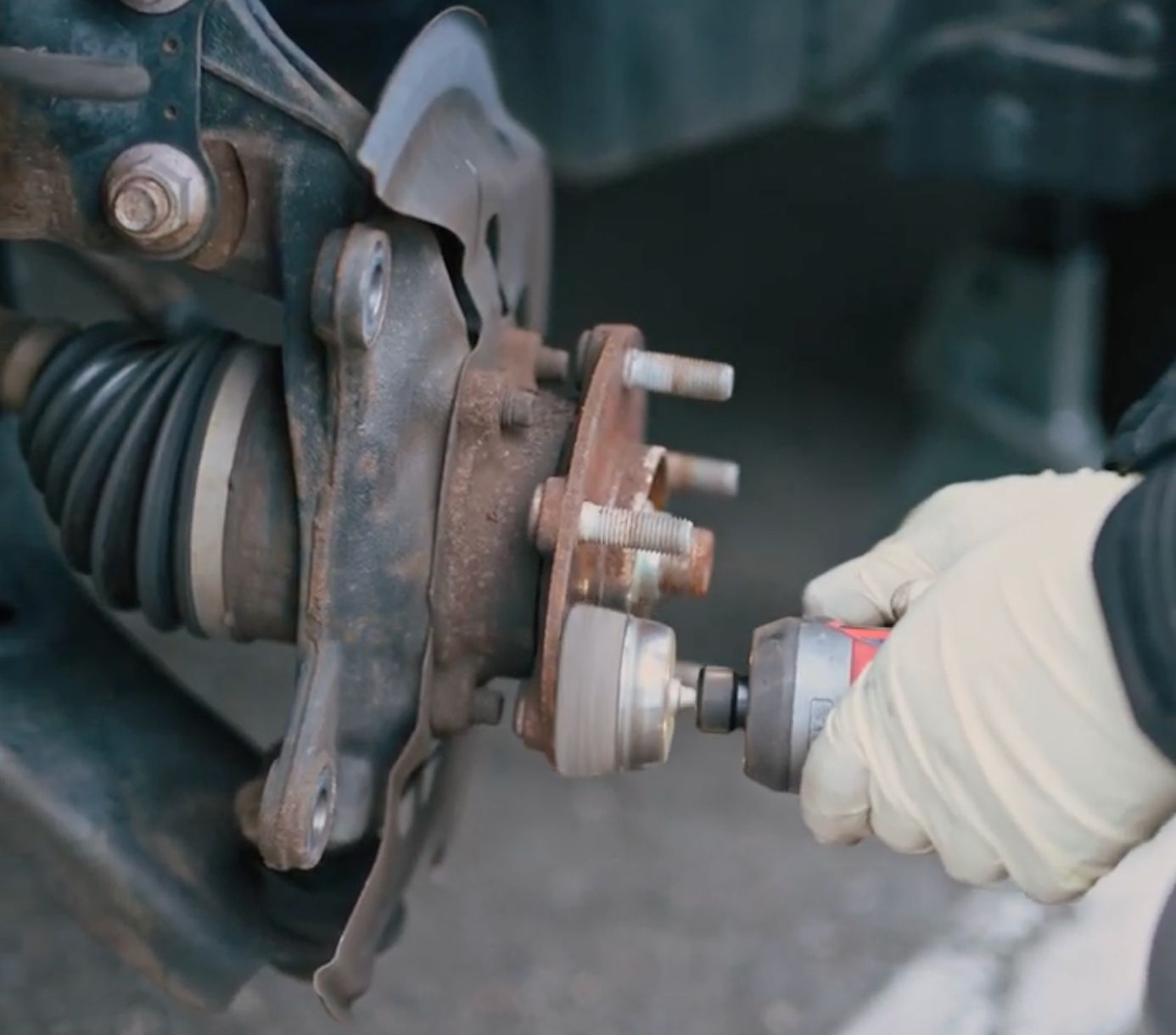
- A ball joint is the pivot that connects your control arm to the steering knuckle. It lets the wheel move up and down over bumps while still turning left and right. It carries the weight of your car.
- A tie rod connects the steering rack to the wheel. It’s what physically turns your tires when you steer.
- A control arm is the structural link between the frame and the wheel, with bushings that absorb road shock.
All three wear out, and because they’re interconnected, their symptoms overlap — which is exactly why guessing leads to replacing the wrong part.
The Symptoms of a Bad Ball Joint
A failing ball joint is the one that worries mechanics most, because a fully failed ball joint can let the wheel collapse outward — a sudden, dangerous loss of control. Watch for:
- Clunking or knocking from the front end, worst over bumps, turns, and braking
- Loose or wandering steering — the car drifts and needs constant correction
- Vibration through the steering wheel, especially at speed
- Uneven tire wear, often on the inside or outside edge
A worn ball joint showing real play should be inspected immediately, not “next oil change.” When it’s confirmed, a ball joint replacement service restores safe handling.
The Symptoms of a Worn Tie Rod
A bad tie rod attacks your steering precision:
- Excessive play in the steering wheel — it feels loose, with a delay before the car responds
- Clunking when turning at low speed, as the loose joint rattles in its socket
- Front-end vibration that worsens as you accelerate or turn
- Uneven tire wear and the car pulling to one side
- A grinding sound when steering if the protective boot tore and let grit in
Caught early, a focused tie rod replacement service restores tight, predictable steering.
The Symptoms of a Tired Control Arm
Worn control arm bushings usually announce themselves as:
- Clunking or rattling over bumps
- An unstable, wandering feel under braking
- Vibration that builds at highway speed
If the bushings or the arm itself are worn, a control arm replacement service settles the front end back down.
The Unique Angle: The 12-and-6 vs. 3-and-9 Home Test
Here’s a diagnostic trick real techs use that most articles skip. With the car safely lifted, grab the tire and rock it. Rock it at 12 and 6 o’clock (top and bottom) — if it moves, you’re looking at a worn ball joint or wheel bearing. Rock it at 3 and 9 o’clock (sides) — play there points to a tie rod or steering issue. This is how you isolate the real culprit before spending a dime, and it’s why a proper front-end inspection beats throwing parts at a noise. Replacing a ball joint when the tie rod was the problem just leaves the clunk.
Why It Always Ends With an Alignment
Replacing any of these parts changes your suspension geometry, so a wheel alignment afterward isn’t optional — it protects your new parts and your tires. Skip it and you’ll be replacing tires again in a few thousand miles. When several parts are worn together, a complete steering and suspension repair handles the whole front end at once.
Frequently Asked Questions
What does a clunking noise over bumps mean?
It usually points to worn front-end suspension parts — most often ball joints, control arm bushings, or sway bar links. Because several parts make similar noises, a full front-end inspection is the reliable way to find the exact cause rather than guessing.
Are bad ball joints dangerous?
Yes. A severely worn ball joint can fail completely and let the wheel collapse, causing a sudden loss of control. Mild wear may only cause noise at first, but it worsens, so any ball joint with confirmed play should be replaced promptly.
How urgent is a worn tie rod?
A worn tie rod affects steering precision and tire wear, and a failed one can cause loss of steering control. Minor play means inspect soon; significant looseness or clunking when turning means get it fixed before driving much further.
Hearing Clunks or Feeling Loose Steering?
The Mobile Car Guys inspect and repair ball joints, control arms, and tie rods at your home or office anywhere in Northern Virginia, with the full front end checked as a system. Book a suspension inspection today.
Keep Reading
Car Vibrates When Accelerating: CV Axle or Something Else?
We're an auto repair shop serving Northern Virginia, and loose, vague steering is far more than an annoyance
Pothole Suspension Damage: Signs Northern Virginia Drivers Should Check
We're an auto repair shop serving Northern Virginia, and loose, vague steering is far more than an annoyance
Why Do My Brakes Squeak Only in the Morning?
We're an auto repair shop serving Northern Virginia, and loose, vague steering is far more than an annoyance