Buying From a Private Seller? Why a Used Car Inspection Protects You
We’re an auto repair shop serving Northern Virginia, and a used car inspection is the smartest move you can make before buying from a private seller. The photos look clean, the seller seems honest, and the CARFAX is spotless — but none of that tells you what’s actually happening under the hood today. A used car inspection does, and we come to the seller’s location to perform it.
Here’s why it protects you, exactly what it covers, and the red flags it catches before you hand over a single dollar.
What a Used Car Inspection Is
A used car inspection is a thorough, top-to-bottom mechanical evaluation of a vehicle before you buy it. It’s not a vehicle history report, and that distinction is the whole point. A CARFAX tells you what happened to the car in the past — reported accidents, ownership, service records. A used car inspection tells you the car’s true mechanical condition right now, today, under the hood.
An experienced technician inspects the vehicle and gives you a detailed report on every major system, so you walk into the purchase knowing exactly what you’re getting. Our pre-purchase inspection is built specifically for buyers who want the full picture before they commit.
What a Used Car Inspection Checks
A proper used car inspection covers the entire vehicle, not just the obvious:
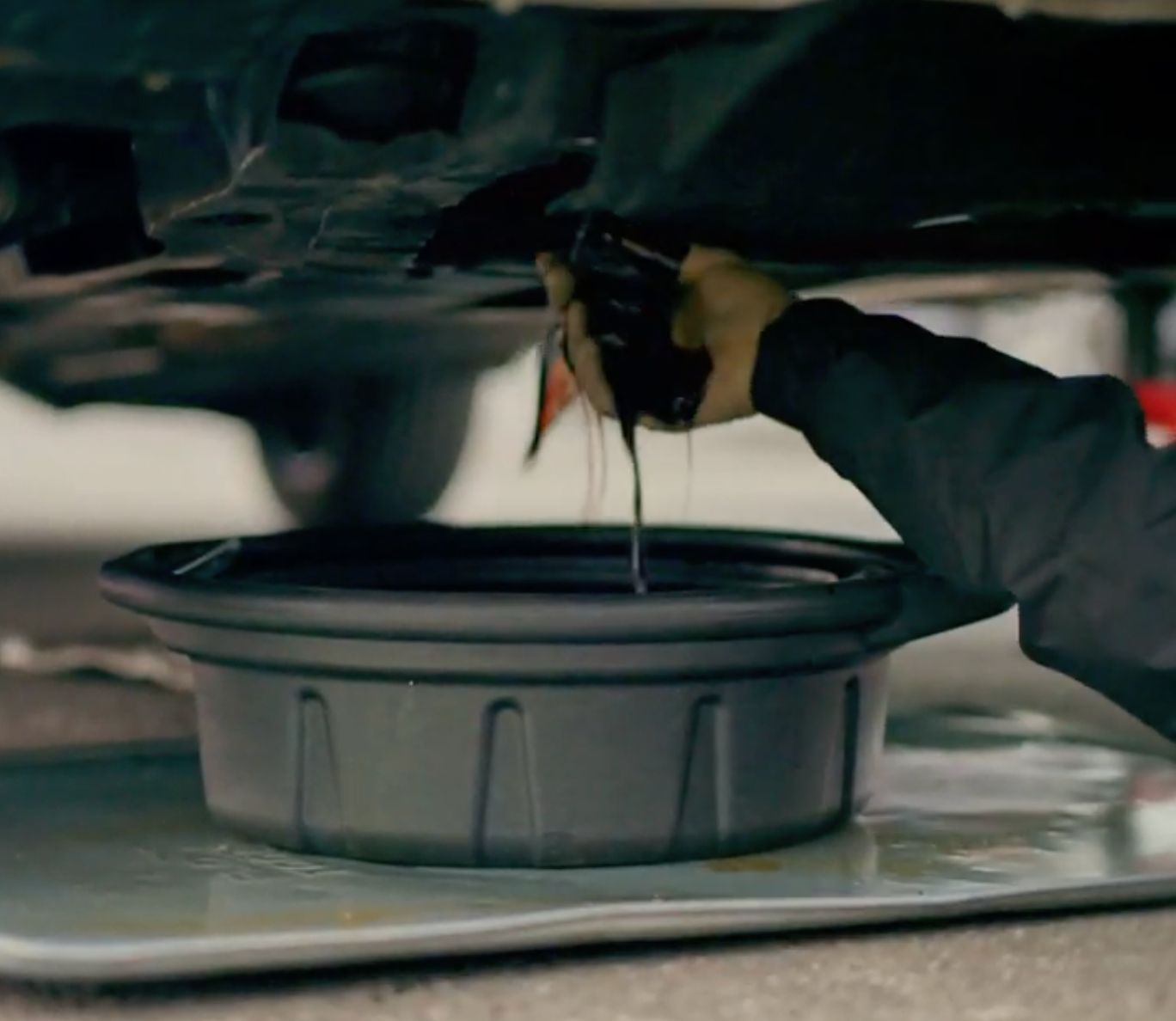
- Engine — leaks, unusual noises, fluid condition, signs of overheating
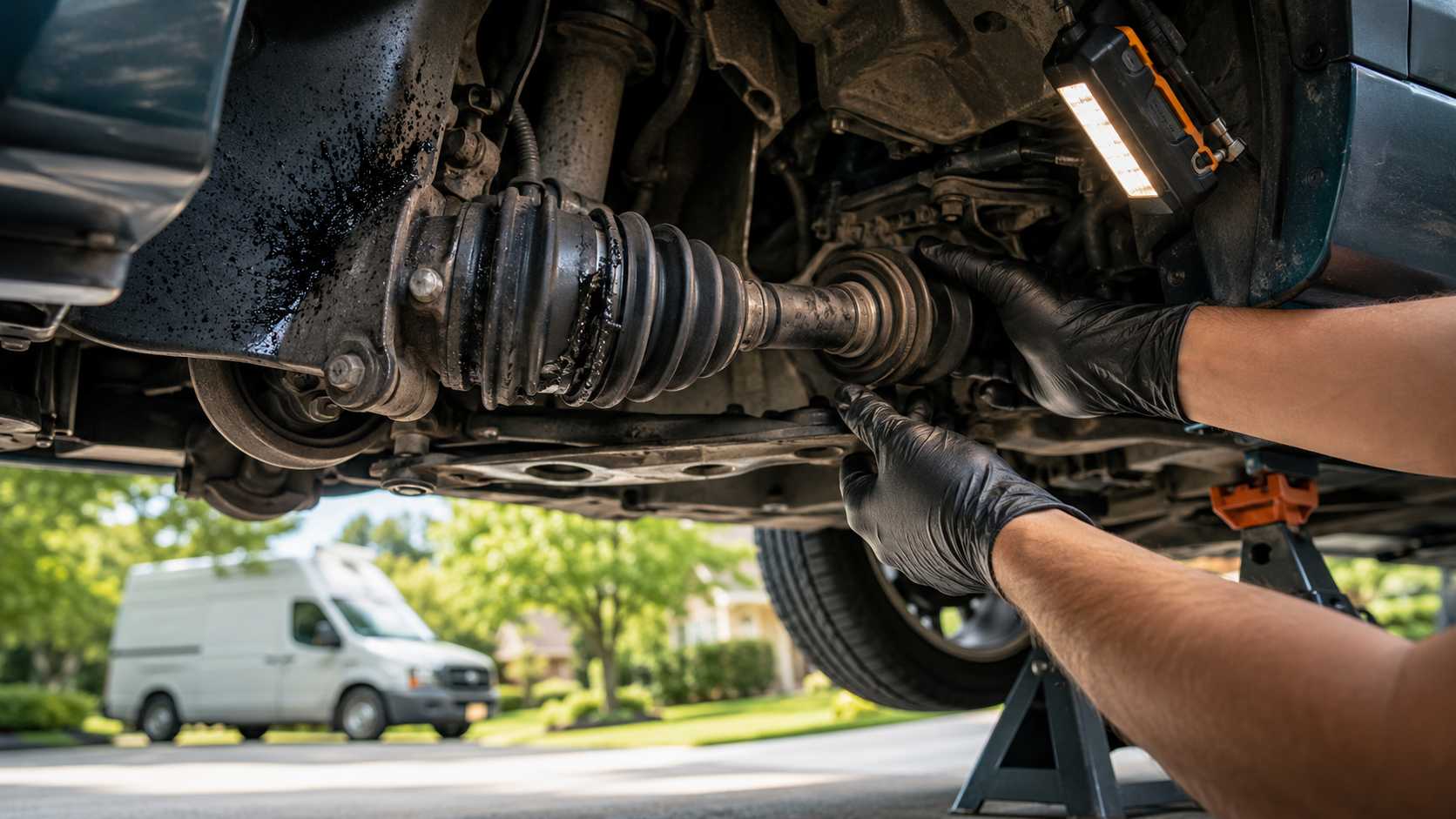
- Transmission and drivetrain — operation, leaks, how it shifts, checked the same way as a full brake repair service examines the brakes
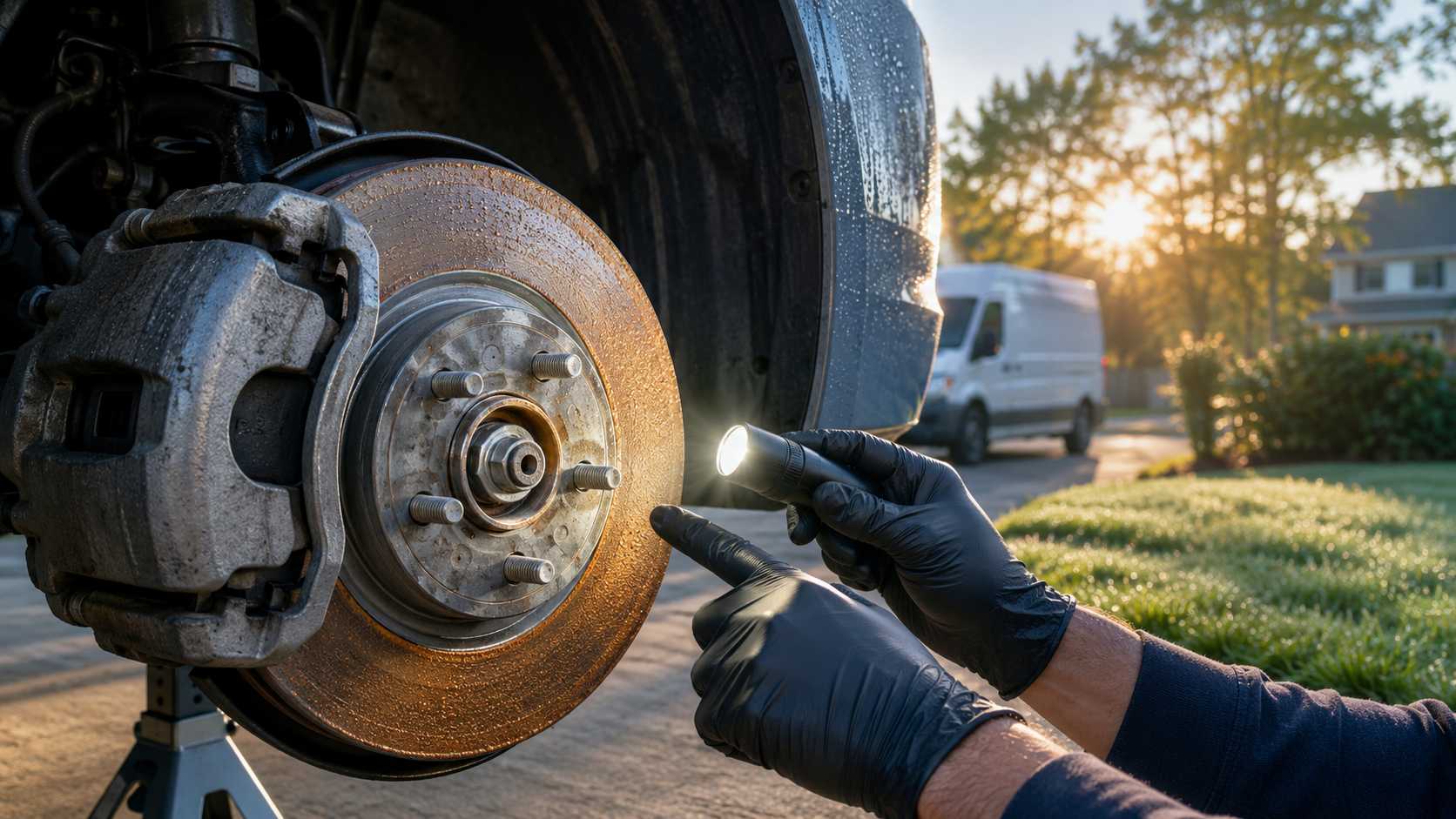
- Brakes — pad and rotor condition and remaining life
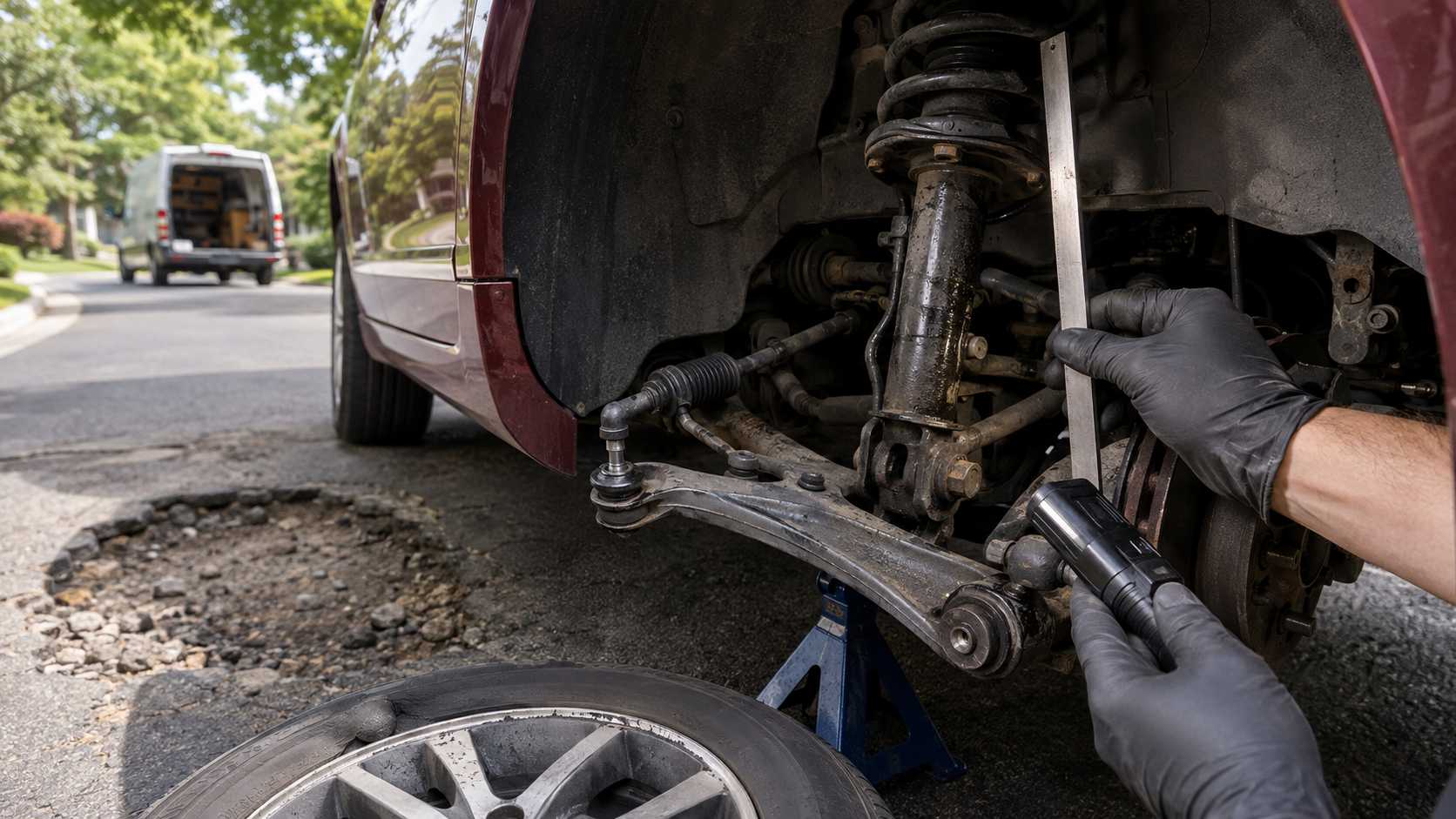
- Suspension and steering — worn ball joints, struts, tie rods, and bushings
- Tires — tread depth and wear patterns, which reveal hidden alignment and suspension problems
- Body and frame — paint thickness and panel gaps that expose hidden collision repair, plus undercarriage rust
- Electronics and safety systems — lights, warnings, and accessories
- OBD-II scan — active and recently cleared trouble codes
- Road test — how the car actually drives, shifts, brakes, and tracks
The used car inspection catches what a listing photo and a quick test drive never will: the faint smell of coolant, water under the oil cap, a fresh fluid leak, a panel that was repainted to hide a wreck.
The Red Flags a Used Car Inspection Catches
These are the findings that should make you renegotiate hard or walk away entirely:
- Paint thickness anomalies or misaligned panels — signs of undisclosed collision or structural repair
- Frame or undercarriage rust — structural damage, not just cosmetic
- Active or recently cleared OBD-II codes — a seller may have wiped codes right before the sale to hide an engine or emissions problem
- Fluid leaks at the engine, transmission, or differential
That recently-cleared-codes point is worth emphasizing. One of the biggest reasons a used car inspection matters is that some sellers clear the check engine light just before showing the car, hoping the problem won’t resurface during your short test drive. A proper OBD-II scan during the used car inspection catches that.
Why an On-Site Inspection Changes Everything
Most inspections assume you can drive the car to a shop — but private-party sales rarely work that way. The seller doesn’t want to hand their car to a stranger to drive across town, and you don’t want to lose a good deal over logistics. That friction is exactly why a lot of buyers skip the inspection and regret it.
As an auto repair shop that comes to you, we perform the used car inspection right where the car sits — at the seller’s location anywhere in Northern Virginia. The car never moves, the seller stays comfortable, and you get an honest report before you buy. For the private-sale market, where the riskiest cars and the best deals both live, that on-site convenience is the difference between getting the inspection and gambling without one.
Frequently Asked Questions
Should I inspect a used car from a private seller?
Yes. A used car inspection reveals problems that don’t show up in photos, a test drive, or a history report — issues that are far easier to walk away from before buying than to inherit and pay for afterward.
What does a used car inspection check?
A used car inspection covers the engine, transmission, drivetrain, brakes, suspension, steering, tires, body and frame, electronics, an OBD-II scan, and a road test, with a detailed report grading each system.
What if the seller refuses an inspection?
A seller refusing a used car inspection is one of the biggest red flags there is. An honest seller with a sound car has no reason to say no — so a refusal usually means there’s something they’d rather you didn’t find.
How is a used car inspection different from a CARFAX?
A CARFAX reports the car’s documented history; a used car inspection evaluates its actual mechanical condition today. The two are complementary, but only the inspection tells you what’s wrong with the car right now.
Can you inspect a car at a dealership too?
Yes. While private-party sales benefit most from an on-site used car inspection, we can also evaluate a car at a dealership so you know its true condition before you sign anything.
Buying a Used Car?
We’re a Northern Virginia auto repair shop that inspects the car at the seller’s location. Know exactly what you’re buying before you sign. Book a used car inspection today.
Keep Reading
Why Your Steering Feels Loose: Common Causes and Steering and Suspension Repair
We're an auto repair shop serving Northern Virginia, and loose, vague steering is far more than an annoyance
Buying From a Private Seller? Why a Used Car Inspection Protects You
We're an auto repair shop serving Northern Virginia, and a used car inspection is the smartest move you can make before buying…
When to Replace Spark Plugs: Symptoms, Intervals, and Why It Matters
We're an auto repair shop serving Northern Virginia, and worn spark plugs are behind more rough-running engines than most drivers realize.