

Brake Pads and Rotors: Why You Should Replace Them Together
You came in for a brake pad replacement and walked out with a recommendation for rotors too. The first thought most drivers have is the obvious one is this shop padding the bill?
Fair question. Here’s the honest answer from people who do this every day across Northern Virginia: on most modern cars, replacing brake pads and rotors together isn’t an upsell. It’s the difference between brakes that stop quietly for tens of thousands of miles and brakes that pulse, squeal, and send you back in three months.
Let me walk you through why, so you can tell the difference between a shop doing it right and a shop cutting corners.
Pads and Rotors Wear as a Matched Set
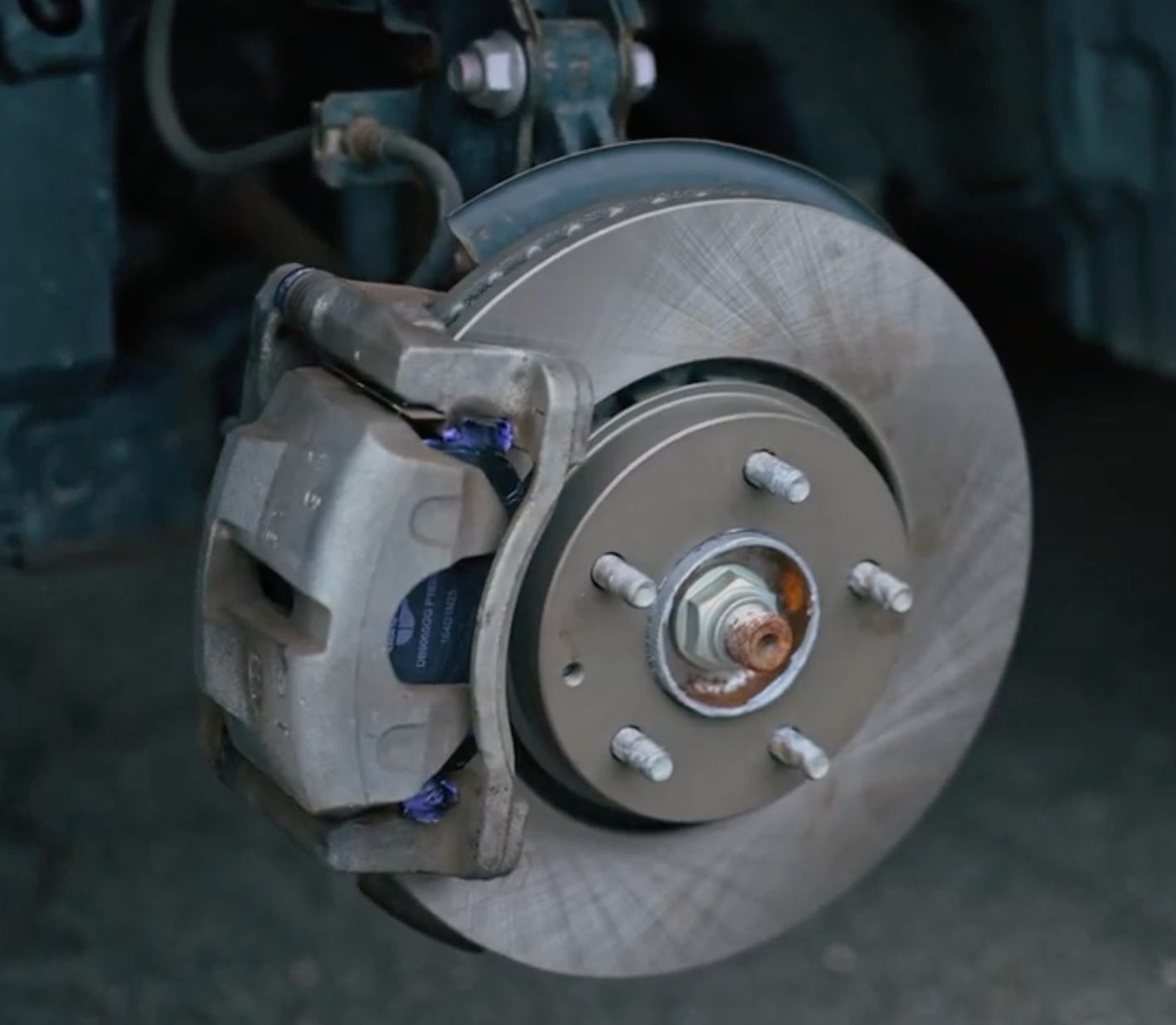
Your brake pads and brake rotors spend their entire life pressed against each other. Every stop, they wear into one another’s surface the pad conforms to the exact texture of that rotor, microscopic ridges and all.
Slap a fresh, flat pad onto an old, grooved rotor and the two surfaces no longer match. Only part of the new pad actually touches the rotor. That means:
- Reduced stopping power until the pad re-wears to fit (a process called bedding)
- Brake noise squealing and groaning from the uneven contact
- Vibration through the pedal and steering wheel
This is why a pad-only job on a worn rotor so often comes back. The customer feels a shudder when braking from highway speed on the Fairfax County Parkway, returns annoyed, and now needs the rotors anyway plus a second set of pads, because the warped rotor chewed up the new ones. If you’re only seeing surface wear, a focused brake rotor replacement near you may be all it takes but the two parts have to match.
Why "Just Resurface the Rotors" Stopped Being the Answer
For decades, shops would resurface (also called “turning” or “machining”) rotors shaving a thin layer off on a brake lathe to restore a smooth, flat face. On a 2005 truck with thick rotors, that was genuinely good practice.
Two things changed:
1. Rotors got thinner. To cut weight and improve fuel economy, automakers now spec lighter, thinner rotors. Many newer vehicles wear their rotors down to the minimum legal thickness by the first pad change. There’s simply no metal left to safely machine away. Resurface it and you drop below the discard thickness stamped on the rotor now it can’t shed heat, and it warps fast.
2. Tolerances got tight. Newer cars have brake rotor “runout” specs (how true the rotor spins) as tight as 0.002–0.003 inches. For reference, a human hair is about 0.003 inches. Hit that target on a worn lathe and you’ve introduced the exact vibration you were trying to remove.
That’s why the industry shifted hard. Today, fewer than a third of shops still resurface as routine practice — and the better ones replace.
When You Genuinely DON'T Need New Rotors
Here’s the part the upsell-heavy chains won’t tell you, and the part that should earn your trust: sometimes pads-only is the correct call.
If your rotors still have plenty of thickness, show no grooving you can catch a fingernail on, run true with no pulsation, and have no heat cracks or hard spots — and you caught the worn pads early — then new pads alone are reasonable. In that case a clean brake pad replacement service is all your car needs. A shop measuring your rotors with a micrometer and showing you the number is a shop you can trust.
When rotors must be replaced:
- They’re below or near minimum thickness (stamped right on the rotor)
- You feel pulsing or vibration when braking — the classic “warped rotor” symptom
- Deep grooving, scoring, or a lip worn into the edge
- Blue discoloration or hard spots from overheating
- You let the pads grind down to metal-on-metal — at that point a full mobile brake repair service is usually needed, since the screeching means rotor damage is already done
Always Replace in Pairs — Per Axle
Whatever you do, do it on both wheels of the same axle. Replace the left front pad without the right and you create uneven braking that pulls the car to one side under hard stops. The same goes for rotors — matched thickness side to side keeps the car tracking straight when you need it most. It’s also why pairing brakes with a tire rotation service keeps wear even across the car.
You do not have to do all four wheels at once, though. Front brakes wear roughly two to three times faster than the rear because the car’s weight shifts forward when you brake, so it’s completely normal to replace the front axle and leave healthy rear brakes alone. Any shop insisting on all four when your rears still have plenty of pad is reaching for your wallet.
The Unique Angle: What a Driveway Brake Job Lets Us Catch
Here’s something a traditional shop can’t easily offer. Because The Mobile Car Guys bring the full brake service to your home or office, our ASE-certified techs have the wheel off in your driveway and the time to actually show you what’s going on — the worn pad next to a fresh one, the lip on your rotor, the micrometer reading. No service-advisor counter, no “trust us, it needs it.” You see the parts before and after.
That transparency is the whole point. A complete pads and rotors replacement done correctly the first time, with both components matched as a set, outlasts the stop-start cycle of cutting corners every time.
Frequently Asked Questions
Should I replace rotors every time I replace brake pads?
What happens if I only replace the pads?
How long do new pads and rotors last?
Ready for Brakes Done Right?
Keep Reading
Why Your Steering Feels Loose: Common Causes and Steering and Suspension Repair
We're an auto repair shop serving Northern Virginia, and loose, vague steering is far more than an annoyance
Buying From a Private Seller? Why a Used Car Inspection Protects You
We're an auto repair shop serving Northern Virginia, and a used car inspection is the smartest move you can make before buying…
When to Replace Spark Plugs: Symptoms, Intervals, and Why It Matters
We're an auto repair shop serving Northern Virginia, and worn spark plugs are behind more rough-running engines than most drivers realize.