

Bad Shocks and Struts? Signs, Causes, and When to Replace Them
Your suspension does quiet, thankless work — soaking up every pothole on Route 50 and keeping your tires planted on the road. You only notice it when it stops working. By then the ride has gone floaty, the tires are wearing oddly, and your braking distance has crept longer without you realizing why.
Here’s how to read the signs of bad shocks and struts before they ruin a set of tires.
Shocks vs. Struts: The Quick Distinction
People use the terms interchangeably, but they’re different parts. A shock absorber dampens bounce. A strut does that and serves as a structural part of the suspension that the wheel mounts to. Most modern cars use struts up front and shocks in the rear, though setups vary. Either way, both wear out, and both produce similar warning signs that call for shock and strut replacement.
The Signs of Worn Shocks and Struts
1. A bouncy, floaty ride. The clearest tell. Hit a bump and the car keeps bobbing instead of settling in one motion. Worn struts can’t control the spring’s rebound anymore.
2. Nose-diving when you brake. If the front end dips hard under braking, your front struts have lost their damping. This also lengthens your stopping distance — a safety issue, not just a comfort one.
3. Rocking or squatting. The rear squats when you accelerate, or the body rolls excessively through cloverleaf ramps and turns.
4. Cupped or uneven tire wear. This is the one that catches up with you. Bad shocks let the tire bounce against the pavement instead of rolling smoothly, scalloping the tread in a wavy “cupped” pattern. Ignore your suspension and you’ll be replacing tires early.
5. Clunking or knocking over bumps. Worn strut mounts or internal damage announce themselves over every pothole and speed bump — though a ball joint replacement service may be the real fix if the joint is the source.
6. Visible leaking. A shock or strut is a sealed oil-filled cylinder. If you see oily film running down the body of the unit, the seal has failed and it’s on its way out.
What Wears Them Out
Why You Replace Them in Pairs
Like brakes, shocks and struts get replaced as an axle pair — both fronts or both rears together. A fresh strut on one side and a worn one on the other means uneven damping, which makes the car handle unpredictably and wear tires unevenly. Doing the pair keeps the car balanced. If the looseness traces to other parts, a broader steering and suspension repair may be the better route.
The Unique Angle: The Safety Side Nobody Mentions
Most articles frame worn struts as a comfort problem — a bouncy ride. The part that actually matters: bad shocks and struts lengthen your braking distance and reduce control. When a tire is bouncing instead of gripping, your brakes and steering have less to work with. On a wet on-ramp or in an emergency swerve, that margin matters — and worn steering parts like a tie rod replacement compound the problem. Replacing tired suspension isn’t about a plush ride; it’s about the car doing what you ask when it counts.
Frequently Asked Questions
How do I know if my struts are worn out?
Can I drive with bad shocks?
How often should shocks and struts be replaced?
Ride Gone Bouncy?
The Mobile Car Guys inspect and replace shocks and struts at your home or office anywhere in Northern Virginia, with the suspension checked as a complete system. Book a suspension inspection today.
Keep Reading
Why Your Steering Feels Loose: Common Causes and Steering and Suspension Repair
We're an auto repair shop serving Northern Virginia, and loose, vague steering is far more than an annoyance
Buying From a Private Seller? Why a Used Car Inspection Protects You
We're an auto repair shop serving Northern Virginia, and a used car inspection is the smartest move you can make before buying…
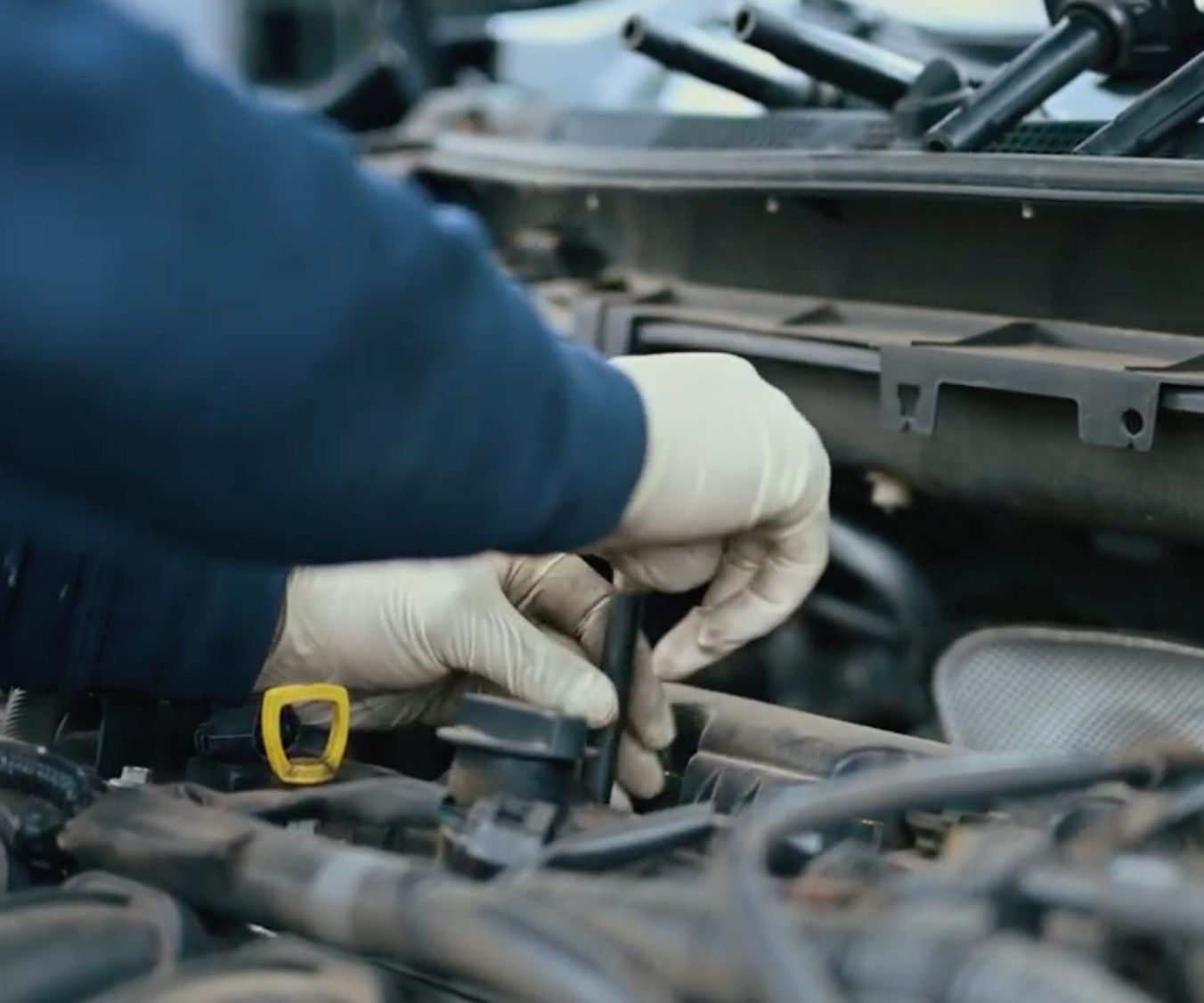
When to Replace Spark Plugs: Symptoms, Intervals, and Why It Matters
We're an auto repair shop serving Northern Virginia, and worn spark plugs are behind more rough-running engines than most drivers realize.